
POSTED February 2, 2026
Black History Month: 100 Years of Dance
When Alvin Ailey discussed the founding of Alvin Ailey American Dance Theater in 1958, he said, “I had intended for it to be a kind of Brechtian showcase for Black music and culture—Black America’s contribution to music and dance.” In celebration of Black History Month 100, AILEY is honoring that vision by reflecting on 100 years of American music and dance that have been irrefutably influenced and enriched by Black artists.
In one of his first works for the company, Blues Suite, Mr. Ailey drew on the kinds of dances he saw as a child, when he observed adults dancing in the barrelhouses and bars on Saturday nights. He learned from his mentor, choreographer Lester Horton, that all forms of dance could be recognized for their artistry, not just ballet and modern but the dances he knew from childhood, dances like the slow drag and the Lindy hop—dances birthed in Black dance halls. “It gave me a great sense of self-esteem,” Mr. Ailey said, “to see that Lester thought the Lindy, the Shake dances … all those things we saw in the Club Alabama—were worthwhile.”
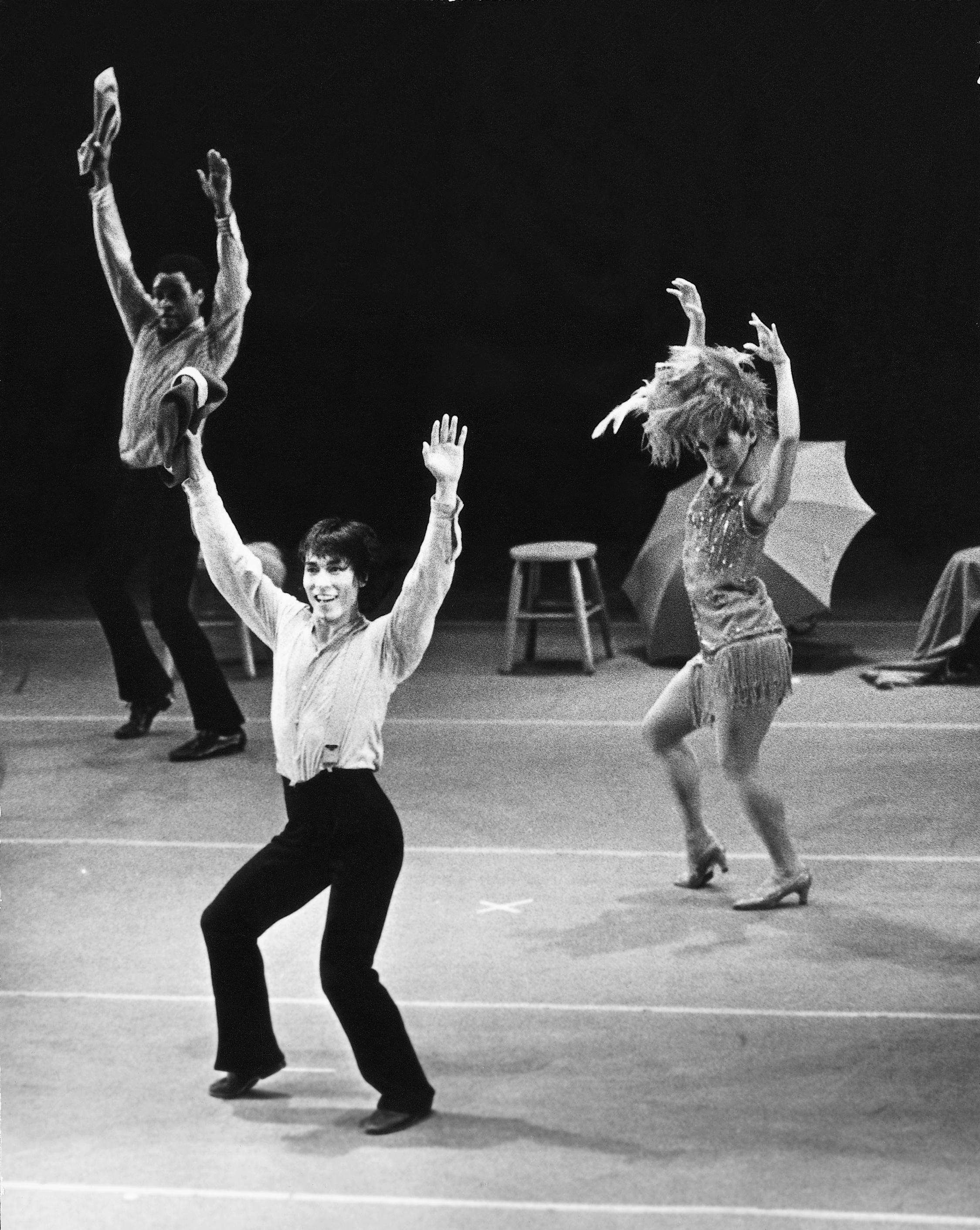
Those dance traditions, birthed in dance halls and looked down upon by many dance professionals and elites during the first half of the twentieth century, have influenced American dance in countless ways and have birthed many new dance styles that are still danced today, from breaking and voguing to modern and ballet.
One hundred years ago, the Lindy hop, made famous at Harlem’s Savoy Ballroom on Lenox Avenue, was the most popular dance in New York, and people came from everywhere to watch the dancers in joyous revelries, twisting and flinging themselves over and around each other. These jazz dances that were created and innovated by Black dancers then found their way onto Broadway stages. The all-Black musical Shuffle Along from 1921 was the pinnacle of this phenomenon, with Black singers, dancers, writers, and actors transferring the spirit of the jazz hall onto the stage. What followed was a direct influence on the development of Broadway jazz by Black artists and dancers.
Social dances like the Lindy were also the foundation of many other styles outside the theater throughout the century. In the 1950s, dancers from the Savoy went on to dance at midtown’s Palladium Ballroom, where the jazz steps combined with Latin and Cuban dances becoming the mambo. When breakers in the Bronx started inventing their spins and freezes, they borrowed old jazz moves like the pin drop as a way to get up and down off the floor. Rather than being isolated styles, Black social dances form a continuum, an evolving but shared communal language where people come together to move.
One reason Black dancers found greater opportunities in Broadway and commercial dance was because they were locked out of ballet and even modern dance companies (Horton’s was one of the first integrated modern dance companies in the United States). Mr. Ailey, forging his career during a pivotal moment in the civil rights movement, was one of many Black choreographers asserting their voices in modern dance, drawing from different dance traditions and educating audiences on the Black roots, which was oftentimes excluded from dance history books.
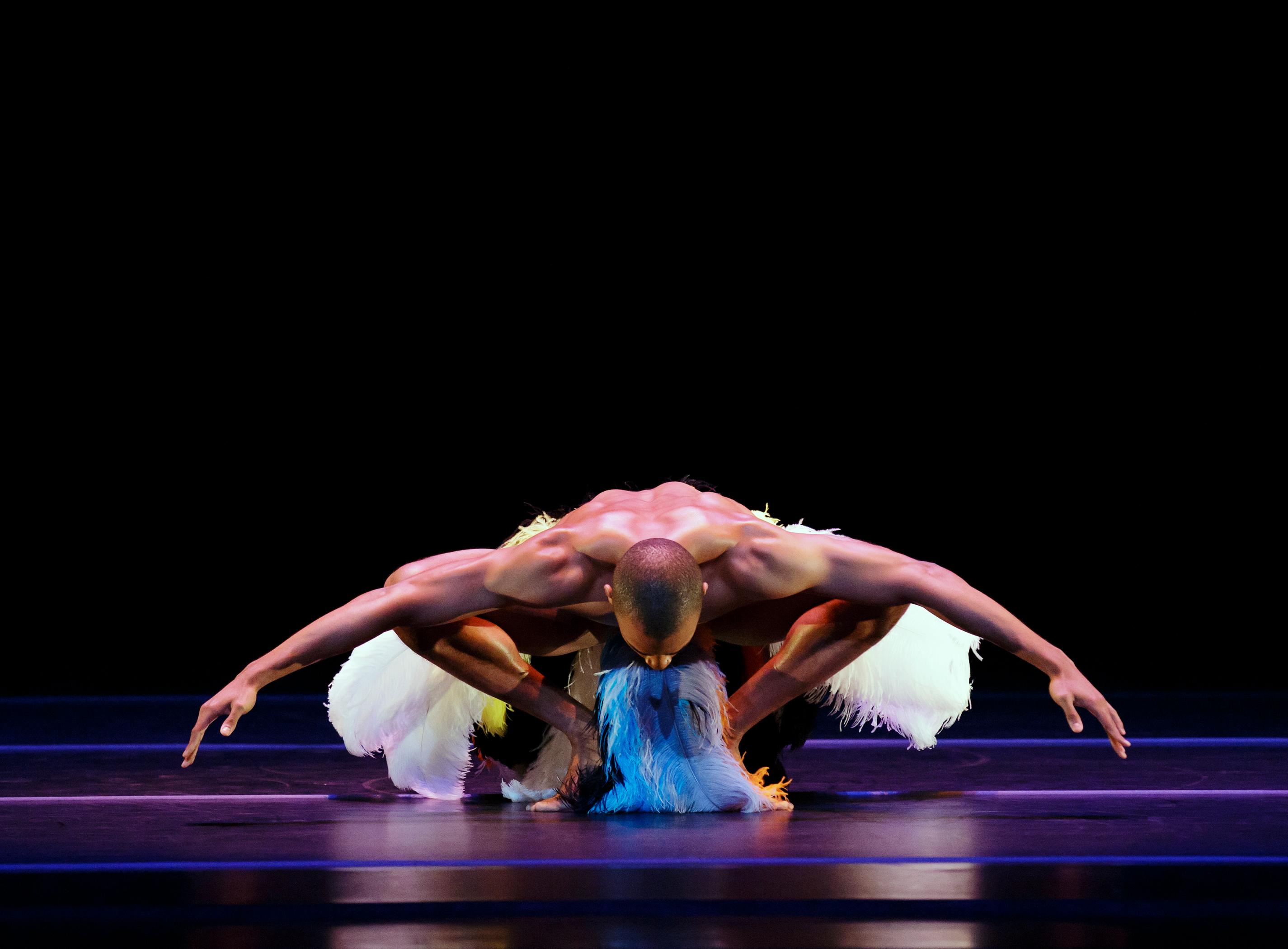
Black modern dancers had been gracing American stages for decades. Choreographers like Asadata Dafora, Katherine Dunham, and Pearl Primus were the first to present dances from West Africa and the West Indies on American concert stages. Their anthropological research into African dances combined expanded the possibilities of modern dance, where undulating torsos, rhythmic step patterns, and less restrained energy stood at odds with the modern dance emerging from classical ballet. Eventually, Mr. Ailey invited these artists to restage or create new works for the company, keeping alive those traditions that predated his time.
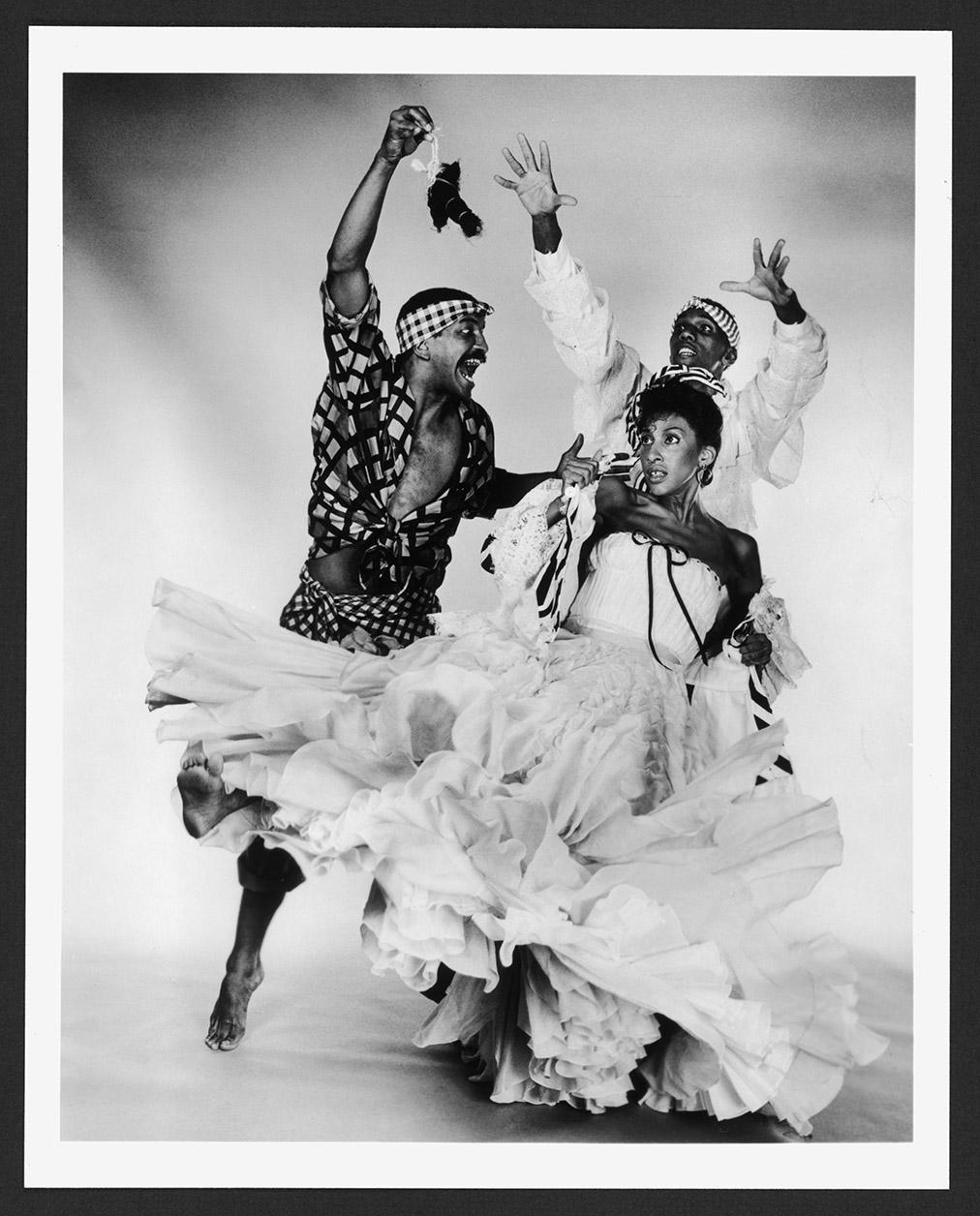
At the time when Dunham and Primus were paving the way, Black dancers were generally denied entry into ballet companies, where the racist belief was that Black dancers were not equipped for the technique. “Our feet weren’t shaped right, our butts were too big, our legs wouldn’t turn out correctly,” Mr. Ailey said of such prejudiced attitudes. Pioneers like Arthur Mitchell and Janet Collins challenged such attitudes.
Mitchell, the first African American dancer with the New York City Ballet, founded the Dance Theatre of Harlem in 1969 with the expressed mission of showing that Black dancers were as adept at ballet as white dancers. He further challenged ballet’s lily-white exclusivity by choreographing works set in the antebellum south, most notably Creole Giselle in 1984. Janet Collins was the first prima ballerina of the Metropolitan Opera, and spoke openly about the casual discrimination she faced in the ballet world; she refused the Ballet Russes when she was told she’d have to lighten her skin to perform.
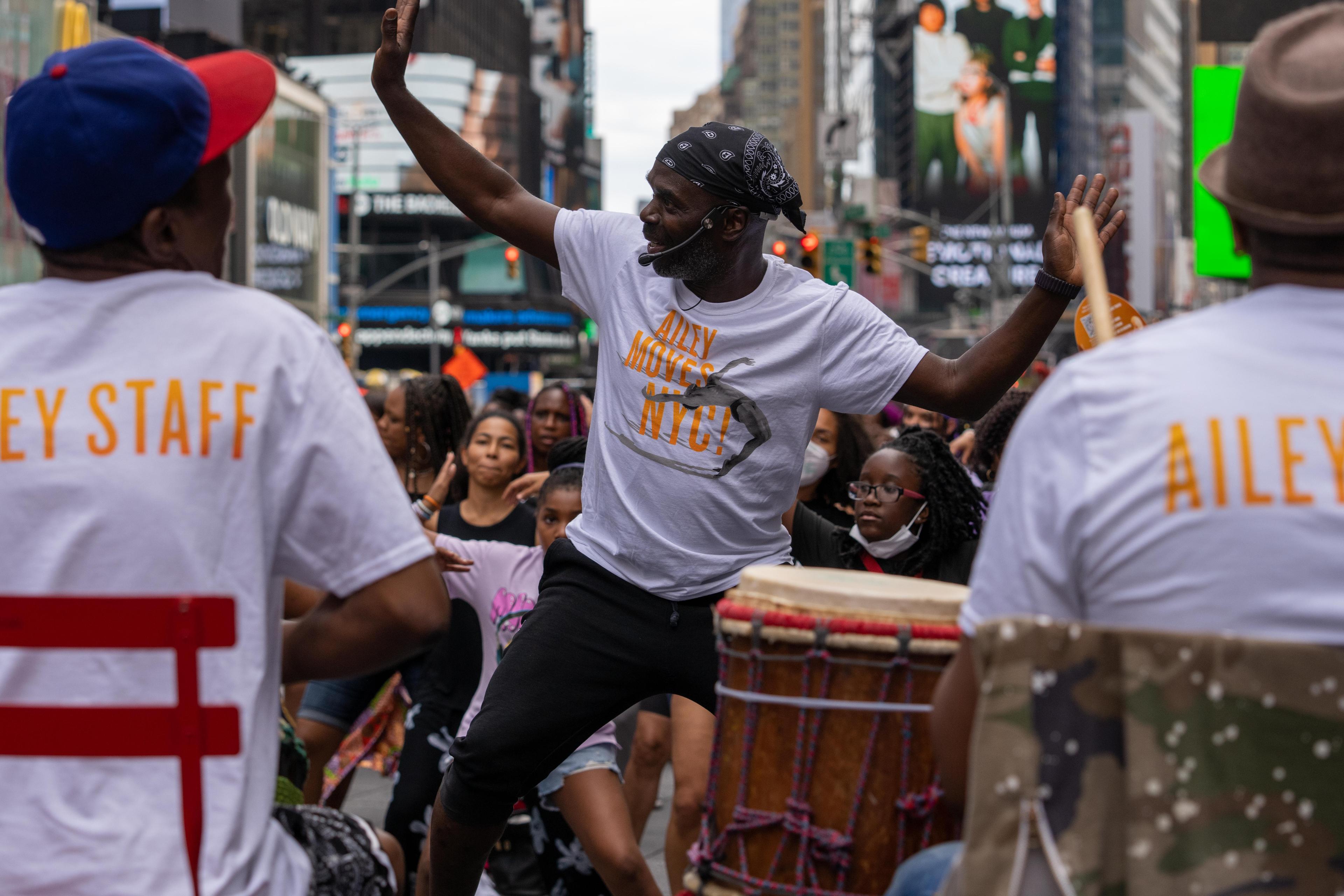
Mr. Ailey was always interested in hybridizing dance forms. His ideal for a dancer was one trained equally in ballet, modern, and jazz. He founded The Ailey School on that ideal, offering diverse training to mold versatile dancers, a model the School still proudly upholds today. It is also at the core of Ailey Extension’s offerings, where everyone can experience classes in NY Style Mambo, hip hop, and vogue. Mr. Ailey believed in such hybridity in choreography too.
I think that we in America have developed a form which is entirely our own, which is ballet and our Martha Graham and our Lester Horton and our Katherine Dunham, our jazz, our way of doing ballet. It all comes out of the American ethos.
In a recent work for the company—The Holy Blues, choreographed by Jawole Willa Jo Zollar, Samantha Figgins, and Chalvar Monteiro—this tradition of honoring dances from our collective past and present is kept alive. Zollar, Figgins, and Monteiro have drawn from the Lindy, Go-Go, the DC beat ya feet movement, Memphis jerking, and many other dance styles, honoring that spirit that Lester Horton shared with Mr. Ailey, that all of our dance traditions, particularly those birthed in Black communities outside of the theater, are worth celebrating.

Black History Month
Hero Credit: Photo courtesy of Ailey Archives