Clifton Brown Revisits 'A Case of You'
This season at New York City Center, Alvin Ailey American Dance Theater will present a new production of Artistic Director Emerita Judith Jamison’s duet A Case of You. Associate Rehearsal Director Clifton Brown, who performed in the original cast of the work, reflects on the piece and the process of working with Ms. Jamison in the studio.
Ms. Jamison conceived of A Case of You for a special performance to celebrate Joan Weill’s birthday. The song, the Diana Krall rendition of the Joni Mitchell classic, was the starting point. “She had a premise,” Brown remembered, "a kind of back and forth between this couple that loves each other, but they're in a moment of emotional fatigue.”
In the original work, Brown danced with former Ailey dancer Hope Boykin. It was not originally intended to become part of the repertory. “I don't know if Judi had thought about it having a life beyond that one performance,” Brown said. “It was just supposed to be for the occasion.”
The duet displayed such an emotional depth and yearning that it quickly became an audience favorite. Ms. Jamison included the duet in her work Reminiscin’ in 2005, a work inspired by Edward Hopper’s Nighthawks and featuring music sung by jazz greats including Roberta Flack and Nina Simone. A Case of You remained a stand-out duet and has continued to have a performance life as a standalone work.
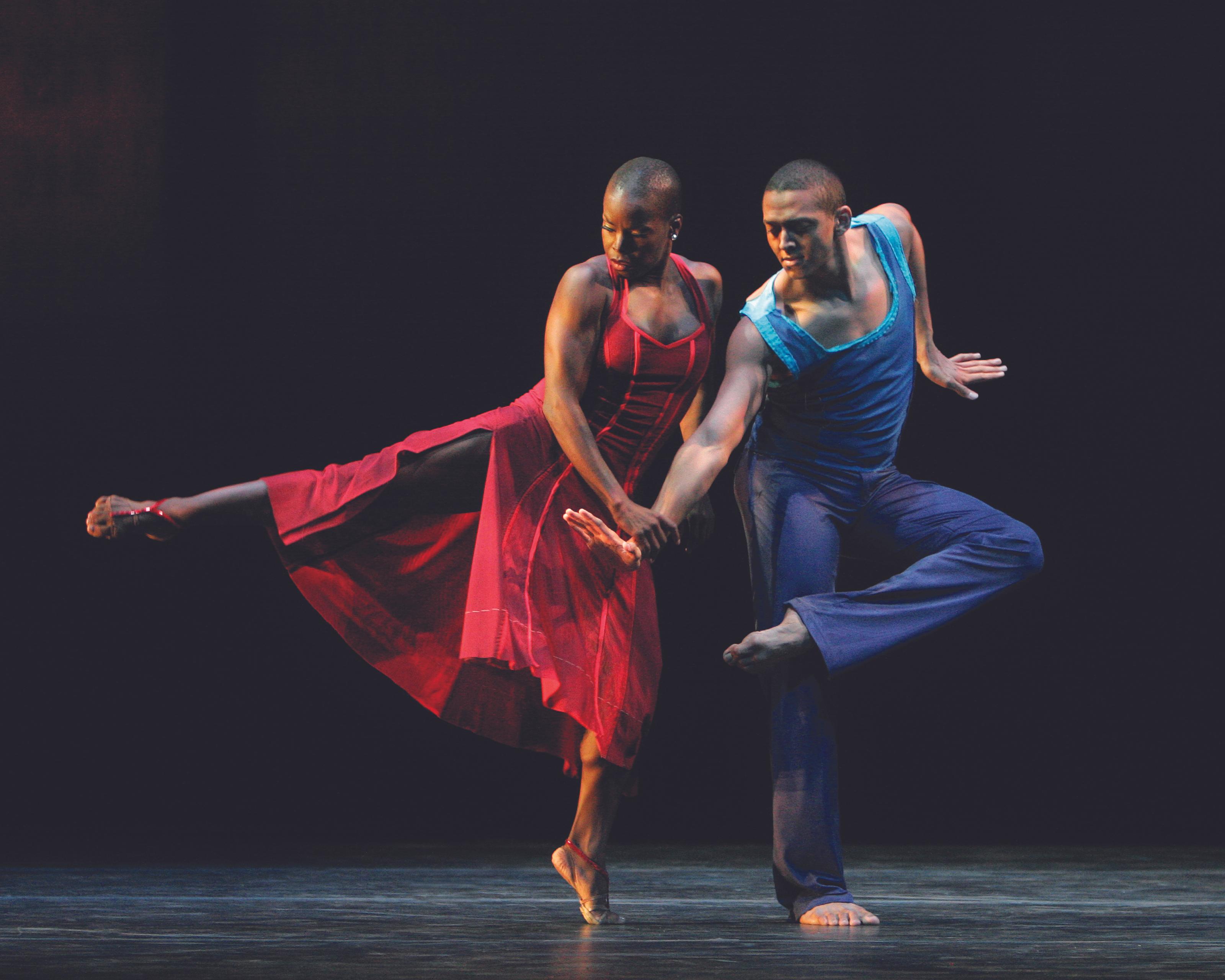
Returning to the work in the studio for the new production sparked memories for Brown of the original process between Ms. Jamison, Boykin, and himself. “Hope and I would play around, doing contact improvisation,” Brown remembered. “Judi found it interesting. Part of the framework that she set up was making use of that improvised material. She would create this very specific staging and these particular interactions or gestures or touches, and then say, "Okay, now go," and from wherever she had taken us, we would continue it on.”
That sense of playful intimacy is what gave the duet the lived-in feeling of a romantic relationship full of complexity. “I feel like it was what a lot of couples who've been together for a while and love each other understand,” Brown said, “you push each other's buttons, but then you know it boils down to each other and you want to have space for each other in your lives.”
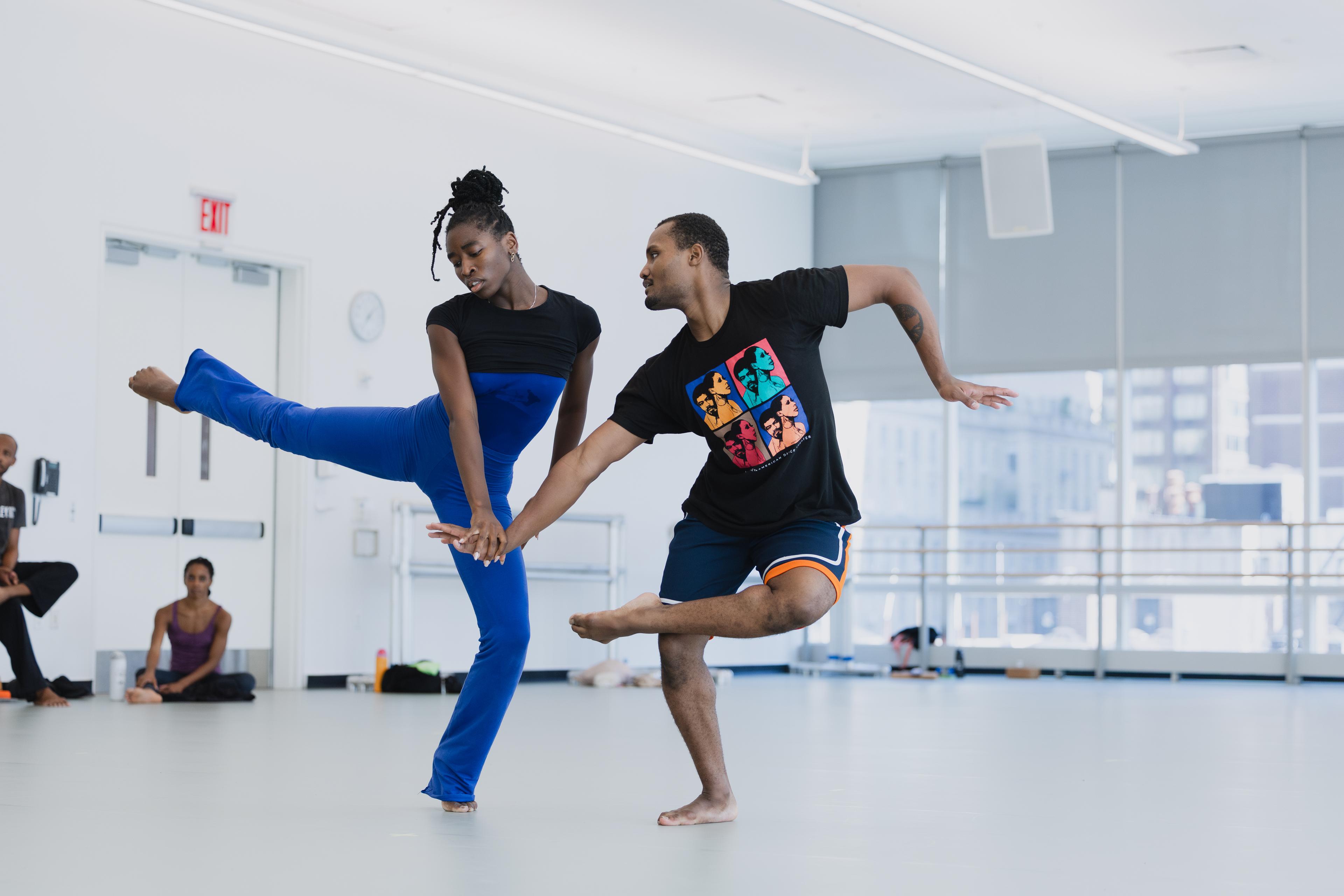
When Brown began teaching the current Ailey dancers the duet, he found himself repeating things that Ms. Jamison used to tell him in rehearsal. “She was incredible with dance as a craft of expression and gesture, knowing what feels honest and what reads to an audience and how to marry those two things, or how to take something that comes from a sincere place physically and putting a magnifying glass on that physicality so it can read to the back of the house.”
There are so many things that Judi said to me over the years that I keep with me and pass on when I'm teaching.
That sophisticated nuance of the smaller human gestures inside the larger, grander movements is something Brown now instills in the new cast. “Things like how you relate and react to your partner in a physical sense, how much can be read in your posture and in your focus, how to continue a narrative and have something feel important but not overly precious.”
Revisiting A Case of You has been especially meaningful for Brown, who also acted as Ms. Jamison's choreographic assistant during their time together with the company. “Every day I think about so many things that are a part of me that I learned from her.” He recalls how much he learned about dance simply from being around her, seeing how much she lived and breathed the art form. “You saw it her whole life, even when she was teaching things or coming in to give us notes after she had already left the company,” he said. “There’s the whole body of physicality that we train, but also what's happening with the chest to the fingertips to the eyes and how do they all relate?”
Brown is excited to see how the new cast is beginning to interpret the work that he inaugurated more than 20 years ago. “They're finding their own moments, and I feel like that's one of the lines you try to walk as a stager,” Brown said, “giving enough information and background and instruction while still allowing them to make their own choices, both as individuals and the dynamic between the two as a duet.”

Explore Ailey's Repertory
Hero Credit: Photo by Paul Kolnik